
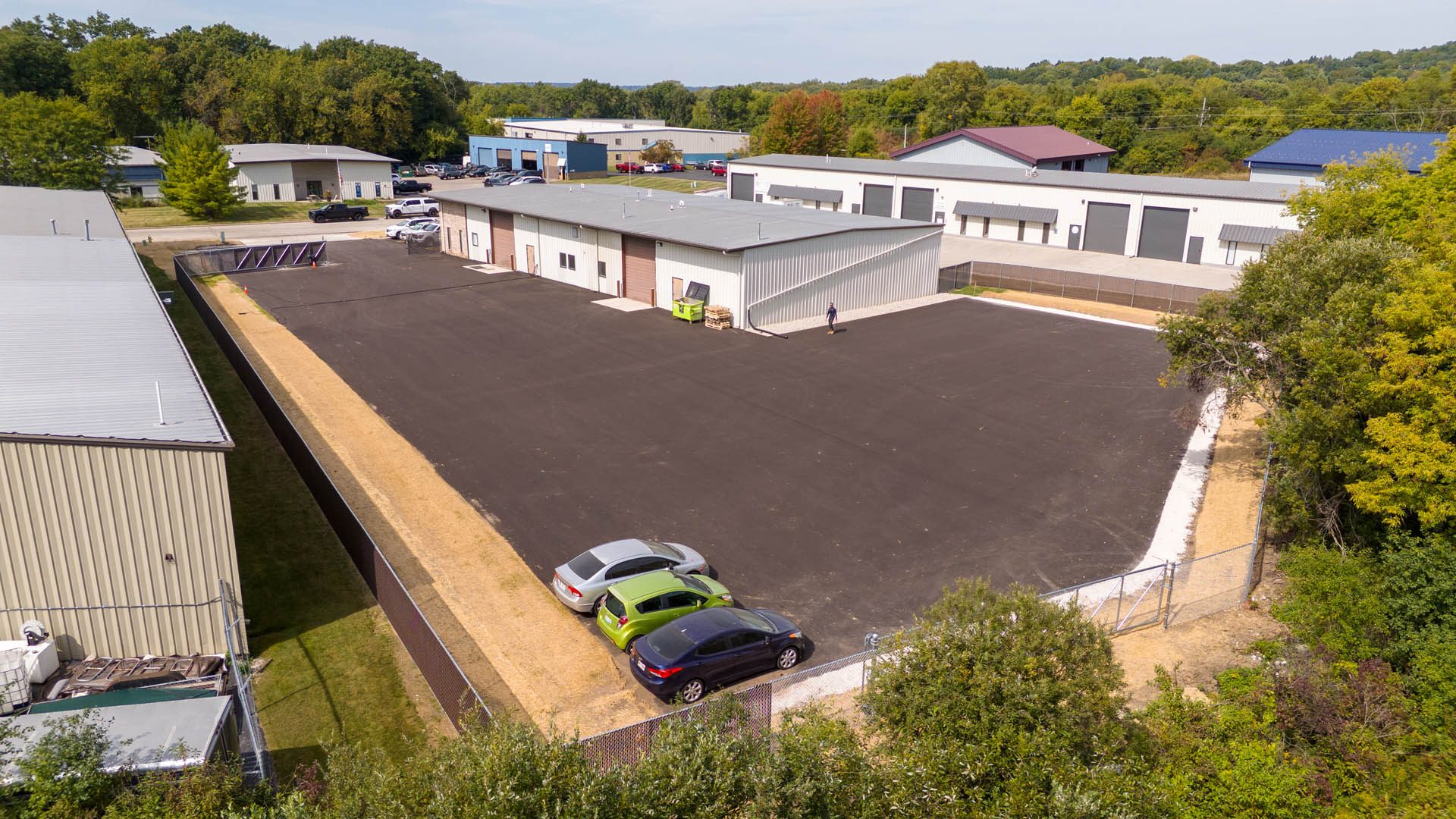
Land clearing and ecological restoration are essential processes for maintaining the health of Wisconsin’s diverse ecosystems. This article explores the significance of land clearing and reclaiming for native plants, emphasizing the benefits of restoring natural habitats. Readers will learn about the key advantages of native plant restoration, the impact of invasive species removal, best practices for various restoration types, relevant regulations, cost considerations, and effective maintenance strategies. As Wisconsin faces challenges from urbanization and climate change, understanding these processes is crucial for preserving biodiversity and supporting local ecosystems.
What Are the Key Benefits of Native Plant Restoration in Wisconsin?
Native plant restoration plays a vital role in enhancing the ecological health of Wisconsin’s landscapes. By reintroducing native species, we can improve biodiversity, enhance soil health, and support local ecosystems. These benefits are crucial for maintaining the balance of natural habitats and ensuring the survival of various species.
How Do Native Plants Improve Biodiversity and Soil Health?
Native plants contribute significantly to biodiversity by providing habitats and food sources for local wildlife. They support diverse ecosystems, which are essential for maintaining ecological balance. Additionally, native plants improve soil health through their deep root systems, which enhance soil structure and prevent erosion. This leads to better water infiltration and nutrient cycling, ultimately fostering a healthier environment for all organisms.
Why Is Supporting Pollinators Essential in Wisconsin Ecosystems?
Pollinators, such as bees and butterflies, are crucial for the reproduction of many native plants. Supporting these pollinators through native plant restoration ensures that plant populations can thrive and reproduce effectively. Native plants provide essential food and habitat for pollinators, which in turn supports the overall health of Wisconsin’s ecosystems. Research indicates that areas with diverse native plant populations have higher pollinator activity, leading to improved plant reproduction and ecosystem resilience.
How Does Invasive Species Removal Enhance Land Clearing Efforts in Wisconsin?
Invasive species pose a significant threat to Wisconsin’s native plant communities by outcompeting them for resources. Removing these invasive species is a critical step in land clearing efforts, as it allows native plants to flourish and restore ecological balance. Effective invasive species management enhances the success of restoration projects and promotes healthier ecosystems.
Which Invasive Species Threaten Wisconsin’s Native Plant Communities?
Several invasive species threaten Wisconsin’s native plant communities, including common buckthorn, honeysuckle (Amur and Morrow’s), and garlic mustard. Common buckthorn can create dense thickets that shade out native plants, while honeysuckle spreads rapidly and disrupts local ecosystems. Garlic mustard not only competes with native flora but also alters soil chemistry, making it difficult for native plants to thrive. Identifying and managing these invasive species is essential for successful restoration efforts.
What Are Effective Techniques for Removing Buckthorn, Honeysuckle, and Garlic Mustard?
Effective techniques for removing invasive species include manual removal, chemical control, and forestry mulching. Manual removal involves physically pulling out the plants, which can be effective for small infestations. Chemical control uses herbicides to target invasive species while minimizing harm to native plants. Forestry mulching is a mechanical method that grinds invasive plants into mulch, allowing for quick decomposition and soil enrichment. Each technique has its advantages and can be selected based on the specific context of the restoration project.
What Are the Best Practices for Prairie, Woodland, and Shoreline Restoration in Wisconsin?
Restoration efforts in Wisconsin should follow best practices tailored to specific ecosystems, such as prairies, woodlands, and shorelines. These practices ensure that restoration projects are effective and sustainable, promoting the long-term health of native plant communities.
How Is Forestry Mulching Used in Large-Scale Land Clearing?
Forestry mulching is an efficient method for large-scale land clearing that minimizes soil disturbance and promotes ecological health. This technique involves using specialized equipment to grind vegetation into mulch, which can then be left on-site to decompose and enrich the soil. By retaining organic matter, forestry mulching supports the growth of native plants and enhances soil health.
Which Native Plant Species Are Ideal for Different Wisconsin Habitats?
Selecting the right native plant species is crucial for successful restoration. For wetland areas, species like blue flag iris and swamp milkweed thrive, while dry prairies benefit from plants such as prairie dropseed and purple coneflower. Woodlands can be restored with species like sugar maple and wild ginger. Understanding the specific needs of each habitat ensures that restoration efforts are effective and sustainable.
What Regulations Govern Land Clearing and Ecological Restoration in Wisconsin?
Understanding the regulations governing land clearing and ecological restoration is essential for compliance and successful project implementation. The Wisconsin Department of Natural Resources (DNR) oversees these regulations to protect natural resources and ensure sustainable practices.
How Does the Wisconsin DNR Regulate Shoreland and Vegetation Removal?
The Wisconsin DNR regulates shoreland and vegetation removal to protect water quality and aquatic habitats. These regulations include guidelines for maintaining buffer zones, which help filter runoff and prevent erosion. Compliance with these regulations is crucial for preserving the integrity of Wisconsin’s waterways and ecosystems.
What Permits Are Required for Land Clearing and Native Plant Reclaiming?
Permits are often required for land clearing and native plant reclaiming projects, depending on the scope and location of the work. Common permits include those for wetland impacts, shoreland zoning, and vegetation removal. It is essential to consult with local authorities to ensure that all necessary permits are obtained before commencing any restoration activities.
How Much Does Ecological Restoration Cost in Wisconsin and What Financing Options Exist?
The cost of ecological restoration in Wisconsin can vary significantly based on factors such as project size, location, and specific restoration goals. Understanding these costs and available financing options is crucial for planning successful restoration projects.
What Factors Influence the Cost of Land Clearing and Native Plant Restoration?
Several factors influence the cost of land clearing and native plant restoration, including the size of the area, the extent of invasive species removal required, and the types of native plants being reintroduced. Additionally, labor costs and equipment rental can impact the overall budget. Careful planning and budgeting are essential for successful project implementation.
Are There Grants or Incentives for Ecological Restoration Projects in Wisconsin?
Various grants and incentives are available for ecological restoration projects in Wisconsin. State and federal programs often provide funding for projects that enhance biodiversity, improve water quality, and restore native habitats. Local organizations may also offer financial assistance for community-based restoration efforts. Exploring these options can help offset costs and support successful restoration initiatives.
How Can You Monitor and Maintain Restored Native Plant Landscapes Effectively?
Monitoring and maintaining restored native plant landscapes is essential for ensuring their long-term success. Effective management practices help identify potential issues and promote healthy growth.
What Are Best Practices for Post-Restoration Land Management?
Post-restoration land management practices include regular monitoring of plant health, controlling invasive species, and maintaining soil health. Establishing a monitoring schedule allows land managers to assess the success of restoration efforts and make necessary adjustments. Implementing adaptive management strategies ensures that restoration projects remain effective over time.
How Do You Measure Success in Ecological Restoration Projects?
Measuring success in ecological restoration projects involves evaluating various criteria, such as plant survival rates, biodiversity levels, and ecosystem functionality. Establishing clear metrics before starting a project allows for effective assessment and helps guide future management decisions. Long-term monitoring plans are essential for tracking progress and ensuring the sustainability of restored landscapes.
Invasive Species Impact and Control Methods
| Invasive Species | Impact on Native Plants | Control Method |
|---|---|---|
| Common Buckthorn | Outcompetes native flora | Manual removal, chemical control |
| Honeysuckle (Amur and Morrow’s) | Disrupts local ecosystems | Manual removal, forestry mulching |
| Garlic Mustard | Alters soil chemistry | Chemical control, manual removal |
Conclusion
Native plant restoration is a critical component of ecological health in Wisconsin. By understanding the benefits, challenges, and best practices associated with land clearing and reclaiming, we can work towards preserving the state’s rich biodiversity and supporting resilient ecosystems.
Ready to get started?
Get in touch with our team — we'd love to help with your project.