
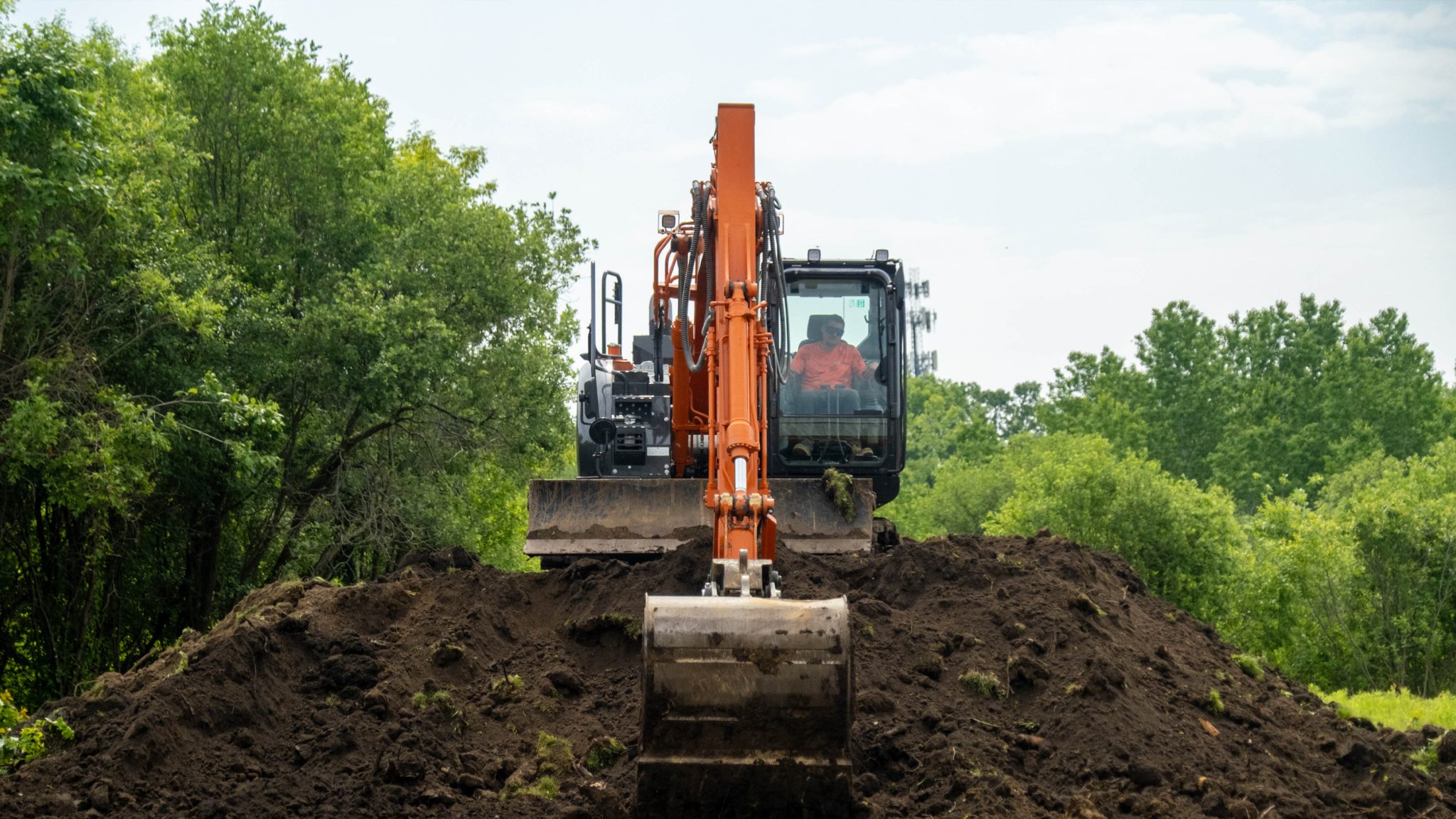
Excavating for custom homes is a critical step in ensuring a solid foundation that supports the entire structure. This article will guide you through the essential aspects of residential excavation, including its importance, the key steps involved, and how to choose the right contractor. Many homeowners overlook the significance of proper excavation, which can lead to costly issues down the line. By understanding the excavation process and its impact on foundation stability, you can make informed decisions for your custom home project. We will explore the excavation process, the requirements for different foundation types, and the factors influencing excavation costs in Wisconsin.
What Is Residential Excavation and Why Is It Crucial for Custom Homes?
Residential excavation involves the process of moving earth to prepare a site for construction. This step is crucial for custom homes as it lays the groundwork for a stable foundation, which is essential for the structural integrity of the building. Proper excavation ensures that the foundation is level and adequately supported, preventing future issues such as settling or shifting.
How Does Site Preparation Impact Foundation Stability?
Site preparation plays a vital role in foundation stability. Proper grading ensures that water drains away from the foundation, reducing the risk of water accumulation that can lead to erosion or flooding. Additionally, compaction of the soil is necessary to create a solid base that can support the weight of the structure. Without adequate site preparation, the foundation may be compromised, leading to costly repairs in the future.
Why Is Soil Testing Essential Before Excavation?
Soil testing is a critical step before excavation begins. It helps determine the soil’s composition, density, and load-bearing capacity. Different soil types react differently under pressure, and understanding these characteristics allows for better foundation design. For instance, clay soils may expand and contract with moisture changes, while sandy soils may drain quickly but require proper compaction. By conducting soil tests, homeowners can avoid potential foundation issues and ensure a solid base for their custom home.
What Are the Key Steps in the Custom Home Excavation Process?
The excavation process for custom homes involves several key steps that must be followed to ensure a successful outcome. Each step is essential for preparing the site and laying a strong foundation.
How Is Site Assessment and Land Clearing Performed?
Site assessment begins with a thorough evaluation of the land to identify any potential challenges, such as trees, rocks, or existing structures. Once the assessment is complete, land clearing is performed to remove any obstacles. This process may involve the use of heavy machinery to ensure that the site is ready for excavation. Safety considerations are paramount during this phase, as proper equipment and techniques must be employed to prevent accidents.
What Are the Techniques for Precise Digging of Footers, Basements, and Crawlspaces?
Precise digging techniques are crucial for creating footers, basements, and crawlspaces. Excavators use specialized equipment to ensure that the dimensions are accurate and that the depth meets the foundation requirements. Techniques such as laser leveling and GPS technology can enhance precision, ensuring that the foundation is laid correctly. This attention to detail is vital for the long-term stability of the home.
How to Choose the Right Excavation Contractor for Your Custom Home?
Selecting the right excavation contractor is essential for the success of your custom home project. A qualified contractor will have the necessary experience and expertise to handle the complexities of excavation.
What Licensing, Insurance, and Experience Should You Verify?
When choosing an excavation contractor, it is crucial to verify their licensing and insurance. A licensed contractor demonstrates compliance with local regulations and standards, while insurance protects you from liability in case of accidents. Additionally, consider the contractor’s experience in residential excavation, particularly for custom homes. A contractor with a proven track record will be better equipped to handle any challenges that may arise during the excavation process.
Why Is Local Expertise in Wisconsin and Lake Geneva Important?
Local expertise is invaluable when selecting an excavation contractor. Contractors familiar with the soil types, weather patterns, and building codes in Wisconsin and Lake Geneva can provide insights that enhance the excavation process. They understand the unique challenges posed by the local environment and can tailor their approach accordingly. This local knowledge can lead to more efficient excavation and a stronger foundation for your custom home.
What Are the Excavation Requirements for Different Foundation Types?
Different foundation types require specific excavation techniques and considerations. Understanding these requirements is essential for ensuring a solid foundation.
How Does Excavation Differ for Slab, Basement, and Crawl Space Foundations?
Excavation for slab foundations typically involves minimal digging, as the concrete slab is poured on a prepared and compacted base. In contrast, basement foundations require deeper excavation to create a space for the basement, which must be carefully measured to ensure proper height and drainage. Crawl space foundations fall somewhere in between, requiring excavation to create a shallow space beneath the home. Each type of foundation has unique excavation needs that must be addressed to ensure stability.
What Drainage Solutions Are Needed to Protect Your Foundation?
Effective drainage solutions are critical for protecting the foundation from water damage. Proper grading, drainage ditches, and the installation of French drains can help redirect water away from the foundation. These solutions prevent water accumulation, which can lead to erosion and structural damage. Implementing effective drainage strategies during the excavation process is essential for long-term foundation health.
What Factors Influence the Cost of Foundation Excavation in Wisconsin?
Several factors can influence the cost of foundation excavation in Wisconsin. Understanding these factors can help homeowners budget effectively for their custom home projects.
How Do Soil Type, Site Size, and Foundation Depth Affect Pricing?
Soil type significantly impacts excavation costs, as different soils require varying levels of effort and equipment. For example, rocky or clay soils may require more extensive excavation techniques, increasing labor costs. Additionally, the size of the site plays a role; larger sites typically require more time and resources to excavate. Finally, the depth of the foundation also affects pricing, as deeper excavations necessitate more equipment and labor.
How Can You Obtain Accurate Excavation Estimates and Plan Your Project?
To obtain accurate excavation estimates, homeowners should seek quotes from multiple contractors. Providing detailed information about the site and foundation requirements will help contractors give more precise estimates. Additionally, discussing the project timeline and any potential challenges can lead to more accurate pricing. Planning ahead and understanding the factors that influence costs will help ensure a smoother excavation process.
Excavation Cost Factors
| Factor | Description | Impact on Cost |
|---|---|---|
| Soil Type | Different soil types require varying excavation techniques | Higher costs for rocky or clay soils |
| Site Size | Larger sites require more time and resources to excavate | Increased labor and equipment costs |
| Foundation Depth | Deeper foundations necessitate more extensive excavation | Higher costs due to additional labor and equipment |
Understanding these factors can help homeowners make informed decisions and budget effectively for their excavation needs.
Conclusion
Proper excavation is essential for ensuring a solid foundation for custom homes. By understanding the excavation process, the requirements for different foundation types, and the factors influencing costs, homeowners can make informed decisions that lead to successful construction projects. Choosing the right contractor with local expertise further enhances the likelihood of a successful outcome, ensuring that your custom home is built on a strong and stable foundation.
Ready to get started?
Get in touch with our team — we'd love to help with your project.