
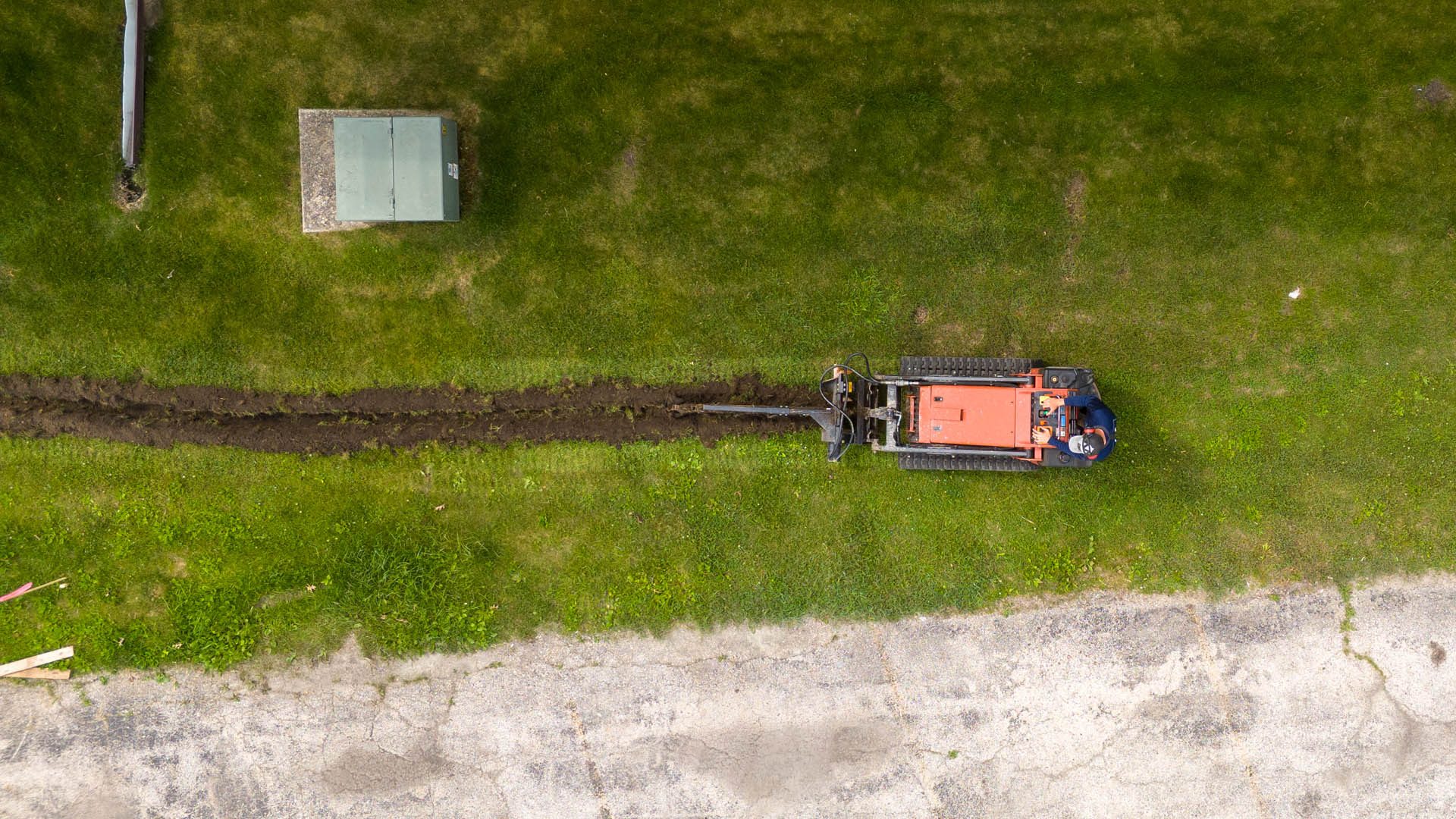
Proper site preparation is a critical step in any construction or land development project, serving as the foundation for successful outcomes. This article will explore the essential benefits of proper site preparation, common mistakes that can lead to costly problems, and effective solutions to ensure a smooth process. By understanding the importance of site preparation, you can avoid potential pitfalls that may arise during construction. We will delve into the key benefits, common mistakes, drainage solutions, and the significance of local conditions, particularly in Wisconsin and Lake Geneva.
What Are the Key Benefits of Proper Site Preparation?
Proper site preparation offers numerous advantages that significantly impact the success of construction projects. It enhances structural integrity, ensures safety, and provides long-term cost savings. By investing time and resources into thorough site preparation, property owners can avoid future complications that may arise from inadequate groundwork.
How Does Site Preparation Enhance Structural Integrity and Safety?
Site preparation involves assessing and preparing the land to support the intended structure. This process includes soil testing, grading, and ensuring proper drainage. A stable foundation is crucial for the safety of any building, as it directly affects its structural integrity. Poor site preparation can lead to foundation failures, which may result in costly repairs and safety hazards. For instance, inadequate soil compaction can cause settling, leading to cracks and structural damage over time.
Indeed, real-world examples underscore how inadequate groundwork can lead to severe structural problems and necessitate extensive site investigation.
What Long-Term Cost Savings Result from Effective Site Prep?
Investing in proper site preparation can lead to significant long-term cost savings. By addressing potential issues upfront, property owners can avoid expensive repairs and project delays in the future. For example, thorough soil testing can identify problematic soil conditions that may require remediation, preventing foundation issues down the line. Additionally, effective site preparation minimizes the risk of water damage, which can be costly to repair and may affect property value.
Which Common Site Preparation Mistakes Lead to Costly Problems?
Despite its importance, many property owners overlook critical aspects of site preparation, leading to costly mistakes. Common errors include skipping soil testing, poor land grading, and inadequate drainage solutions. Understanding these pitfalls can help ensure a successful project.
How Can Skipping Soil Testing Cause Foundation Failures?
One of the most significant mistakes in site preparation is neglecting soil testing. Soil testing is essential for determining the composition and stability of the ground. Without this crucial step, property owners may unknowingly build on unstable soil, leading to foundation failures. For instance, clay-rich soils can expand and contract with moisture changes, causing significant structural issues if not properly addressed.
The critical role of soil testing in predicting and preventing foundation issues is further emphasized by research into in-situ soil behavior.
What Are the Risks of Poor Land Grading and Inadequate Drainage?
Poor land grading can lead to improper water drainage, resulting in water pooling around the foundation. This can cause erosion, flooding, and ultimately, foundation damage. Inadequate drainage solutions, such as failing to install proper gutters or drainage systems, can exacerbate these issues. Property owners must ensure that land grading directs water away from the structure to prevent costly repairs and maintain property value.
How Does Land Grading Prevent Drainage Issues and Foundation Damage?
Land grading is a vital component of site preparation that helps prevent drainage issues and foundation damage. Proper grading ensures that the land is shaped to facilitate water runoff, reducing the risk of water pooling around the foundation.
What Techniques Ensure Proper Land Grading for Construction?
Effective land grading techniques include using heavy machinery to create a slope away from the building site. This slope should ideally be at least 5% (a drop of 6 inches over 10 feet) to ensure proper drainage, according to many building codes and industry standards. Additionally, incorporating swales or ditches can help direct water away from the foundation. Regular maintenance of these grading features is essential to ensure their effectiveness over time.
How Does Land Grading Support Effective Drainage Solutions?
Proper land grading supports various drainage solutions, such as French drains and catch basins. These systems work together to manage stormwater runoff effectively. By ensuring that the land is graded correctly, property owners can prevent water from accumulating around the foundation, reducing the risk of water damage and structural issues.
What Drainage Solutions Protect Your Property from Water Damage?
Implementing effective drainage solutions is crucial for protecting properties from water damage. Various systems can be employed to manage stormwater runoff and prevent flooding.
How Do French Drains and Swales Manage Stormwater Runoff?
French drains are a popular solution for managing stormwater runoff. They consist of a trench filled with gravel and a perforated pipe that redirects water away from the foundation. Swales, on the other hand, are shallow, vegetated channels designed to slow down and filter stormwater. Both systems work together to reduce the risk of flooding and protect the property from water damage.
What Role Does Erosion Control Play in Site Preparation?
Erosion control is another critical aspect of site preparation. Techniques such as silt fencing, sediment basins, and vegetation can help prevent soil erosion during and after construction. By implementing erosion control measures, property owners can protect their investment and maintain the integrity of the site.
Why Is Site Preparation Especially Important in Wisconsin and Lake Geneva?
Site preparation is particularly crucial in regions like Wisconsin and Lake Geneva, where local soil types and weather conditions can significantly impact construction projects. Understanding these factors is essential for effective site preparation.
How Do Local Soil Types and Weather Affect Site Prep Needs?
Wisconsin’s diverse soil types, including clay, sand, and loam, require tailored site preparation strategies. For example, clay soils may need additional drainage solutions to prevent water retention, while sandy soils may require stabilization techniques to prevent shifting. Additionally, the region’s weather patterns, including heavy snowfall and rainfall, necessitate thorough site preparation to ensure structures can withstand these conditions.
What Are the Key Wisconsin Regulations Impacting Site Preparation?
Local regulations in Wisconsin also play a significant role in site preparation. Property owners must adhere to zoning laws, building codes, and environmental regulations that govern land development. Understanding these regulations is essential for ensuring compliance and avoiding potential legal issues during construction.
How to Choose a Professional Site Preparation Contractor for Your Project?
Selecting the right contractor for site preparation is crucial for the success of your project. A qualified contractor will have the expertise and experience necessary to navigate the complexities of site preparation.
What Expertise and Experience Should You Look For?
When choosing a site preparation contractor, look for individuals with relevant certifications and a proven track record in the industry. Experience with local soil types and regulations is also essential, as it ensures that the contractor can effectively address the unique challenges of your project.
How Does Local Knowledge Improve Site Preparation Outcomes?
Local knowledge is invaluable when it comes to site preparation. Contractors familiar with the area will understand the specific soil conditions, weather patterns, and regulatory requirements that can impact your project. This expertise can lead to more effective site preparation and ultimately, a more successful construction outcome.
Drainage Solutions Comparison
| Drainage Solution | Description | Effectiveness |
|---|---|---|
| French Drains | A trench filled with gravel and a perforated pipe to redirect water | High |
| Swales | Shallow, vegetated channels that filter and slow down stormwater | Medium |
| Catch Basins | Underground structures that collect and manage stormwater runoff | High |
Implementing these drainage solutions can significantly reduce the risk of water damage and foundation issues, ensuring the longevity of your property.
Conclusion
Proper site preparation is essential for preventing costly problems down the road. By understanding the benefits, avoiding common mistakes, and implementing effective drainage solutions, property owners can ensure a successful construction project. Additionally, choosing a knowledgeable contractor with local expertise can further enhance the outcomes of site preparation efforts.
Ready to get started?
Get in touch with our team — we'd love to help with your project.