
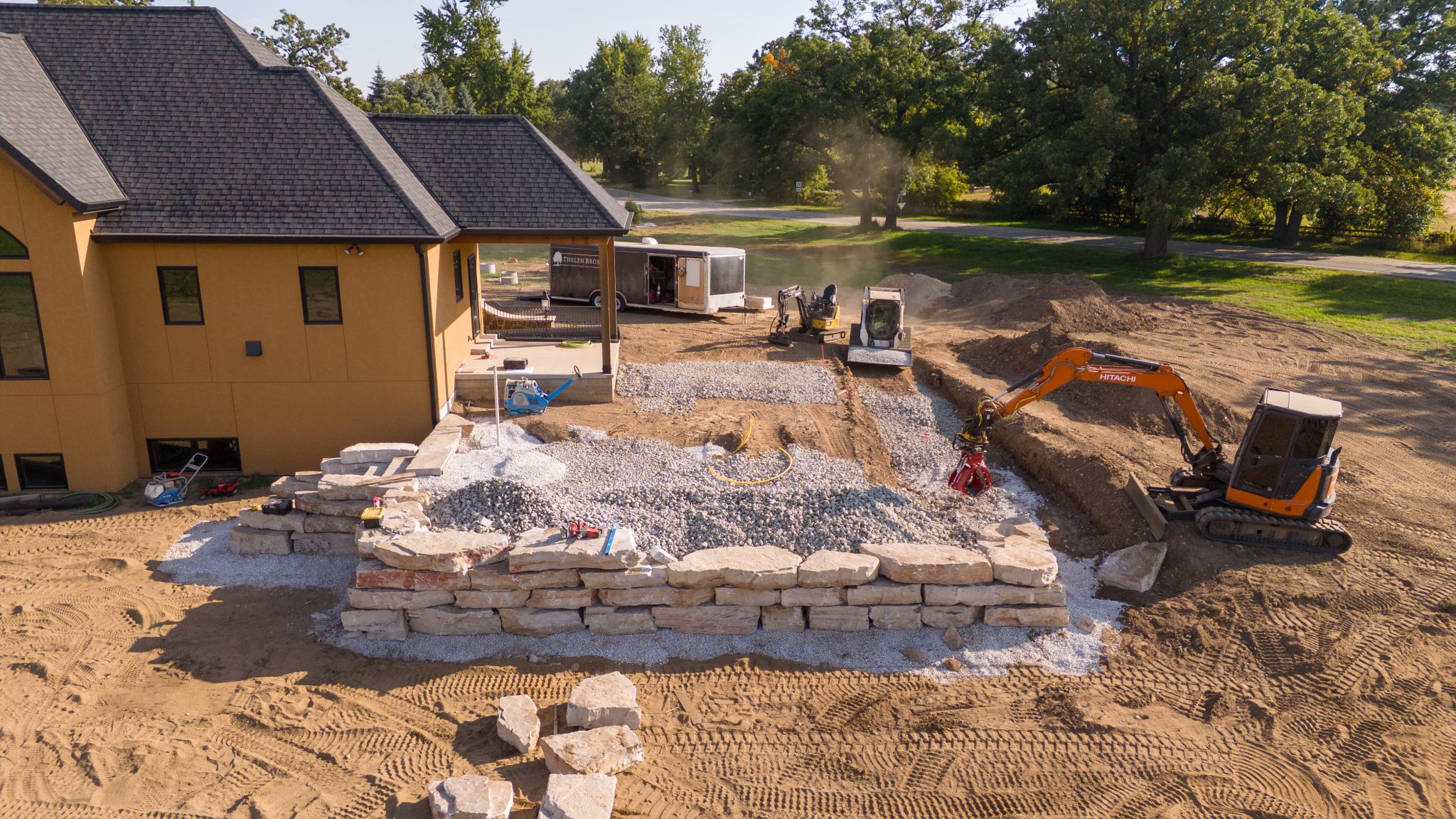
Retaining walls, drainage systems, and grading are essential components of effective landscape management that protect your property from erosion and water damage. This article will explore how these elements work together to preserve your investment and enhance the aesthetic appeal of your property. Many homeowners face challenges related to soil erosion, water accumulation, and landscape stability, which can lead to costly repairs and decreased property value. By understanding the functions and benefits of retaining walls, drainage solutions, and proper grading, you can make informed decisions to safeguard your property. We will delve into the mechanisms of retaining walls, effective drainage solutions, the importance of professional land grading, and how these elements can be integrated for optimal property protection.
How Do Retaining Walls Prevent Erosion and Stabilize Slopes?
Retaining walls are structures designed to hold back soil and prevent erosion on sloped landscapes. They work by redistributing the lateral pressure exerted by the soil, effectively stabilizing slopes and preventing soil movement. The primary benefit of retaining walls is their ability to create level areas in hilly terrains, which can be utilized for gardens, patios, or other landscaping features. Additionally, they help manage water runoff, reducing the risk of erosion and property damage.
What Are the Different Types of Retaining Walls and Their Uses?
There are several types of retaining walls, each suited for specific applications:
- Gravity Walls: These rely on their weight to resist soil pressure and are typically made of concrete, stone, or masonry. They are ideal for low to moderate height applications.
- Cantilever Walls: These walls use a lever arm to counteract soil pressure, allowing for taller structures with less material. They are commonly used in residential and commercial settings.
- Anchored Walls: These are secured to the ground with cables or rods, providing additional stability for high walls in challenging soil conditions.
Understanding the different types of retaining walls can help you choose the right solution for your landscape needs. The intricate design and engineering behind these structures are crucial for their effectiveness in managing soil and preventing erosion.
Which Materials and Designs Enhance Retaining Wall Durability and Aesthetics?
The durability and aesthetics of retaining walls are influenced by the materials and design choices made during construction. Common materials include:
- Concrete: Known for its strength and versatility, concrete can be molded into various shapes and finishes, making it a popular choice for modern designs.
- Natural Stone: Offers a timeless aesthetic and blends well with natural landscapes, though it may require more maintenance depending on the stone type.
- Timber: Provides a rustic look but is less durable than stone or concrete, making it suitable for lower walls in less demanding environments.
Incorporating design elements such as decorative caps, lighting, and plantings can enhance the visual appeal of retaining walls while ensuring they serve their functional purpose.
What Are Effective Drainage Solutions to Protect Foundations and Manage Water?
Effective drainage solutions are crucial for protecting your property’s foundation and managing water runoff. Poor drainage can lead to water pooling, which can cause structural damage and promote mold growth. Implementing the right drainage systems can mitigate these risks and enhance the longevity of your property.
How Do French Drains, Catch Basins, and Swales Work for Yard Drainage?
French drains, catch basins, and swales are common drainage solutions that work in different ways:
- French Drains: These consist of a trench filled with gravel and a perforated pipe that redirects water away from the foundation, preventing flooding and erosion.
- Catch Basins: These are designed to collect surface water and direct it into a drainage system, helping to manage heavy rainfall and prevent water accumulation.
- Swales: Shallow, vegetated channels that direct water runoff to designated areas, swales help manage stormwater and reduce erosion.
Each of these systems plays a vital role in maintaining a dry and stable landscape.
What Are Smart Drainage Technologies and Their Benefits?
Emerging smart drainage technologies are revolutionizing how we manage water runoff. These systems utilize sensors and automated controls to monitor moisture levels and adjust drainage accordingly. Benefits include:
- Real-time Monitoring: Sensors provide data on soil moisture and rainfall, allowing for timely interventions.
- Automated Controls: Smart systems can automatically redirect water based on current conditions, reducing the risk of flooding.
- Cost-effectiveness: By optimizing water management, these technologies can lower maintenance costs and extend the lifespan of drainage systems.
Integrating smart technologies into your drainage solutions can enhance efficiency and effectiveness.
Why Is Professional Land Grading Essential for Water Flow and Erosion Control?
Professional land grading is critical for ensuring proper water flow and preventing erosion. Grading involves reshaping the land to create a slope that directs water away from structures and minimizes pooling. This process is essential for maintaining landscape stability and protecting your investment.
What Are the Types of Land Grading and Their Impact on Property?
There are several types of land grading, each with distinct impacts:
- Positive Grading: This involves sloping the land away from structures, effectively directing water runoff and preventing flooding.
- Negative Grading: This occurs when the land slopes towards a structure, increasing the risk of water damage and erosion.
- Terraced Grading: This method creates flat areas on sloped land, allowing for effective water management and reducing soil erosion.
Choosing the right grading technique can significantly impact the health of your landscape and the integrity of your property.
How Does Proper Grading Protect Foundations and Increase Property Value?
Proper grading is essential for protecting foundations from water damage and erosion. By ensuring that water flows away from structures, grading helps maintain the integrity of foundations, reducing the risk of costly repairs. Additionally, well-graded landscapes enhance curb appeal, which can increase property value. Homebuyers are often willing to pay a premium for properties with well-maintained landscapes that demonstrate effective water management.
How Can Integrated Grading, Drainage, and Retaining Walls Optimize Property Protection?
Integrating grading, drainage, and retaining walls creates a comprehensive approach to property protection. This synergy enhances the effectiveness of each element, ensuring that water is managed efficiently while preventing erosion and stabilizing slopes.
What Are the Benefits of Combining These Solutions for Long-Term Stability?
Combining these solutions offers several benefits:
- Enhanced Stability: Integrated systems work together to provide a stable landscape that can withstand heavy rainfall and erosion.
- Cost Savings: By addressing multiple issues simultaneously, homeowners can save on future repairs and maintenance costs.
- Sustainability: An integrated approach promotes healthy ecosystems by managing water runoff and preserving soil integrity.
This holistic strategy ensures that your property remains protected and visually appealing over time.
How to Maintain and Monitor Landscape Stability Over Time?
Regular maintenance and monitoring are essential for ensuring the long-term stability of your landscape. Key practices include:
- Regular Inspections: Check for signs of erosion, water pooling, or structural damage to retaining walls.
- Vegetation Management: Maintain healthy plant growth to prevent soil erosion and enhance water absorption.
- Drainage System Maintenance: Clear debris from drainage systems to ensure proper function and prevent blockages.
Implementing these practices can help maintain landscape stability and protect your investment.
When Should You Choose DIY Versus Professional Services for Landscape Protection?
Deciding between DIY and professional services for landscape protection depends on the complexity of the project and your level of expertise. While some tasks may be manageable for homeowners, others require professional intervention to ensure safety and effectiveness.
What Are the Risks and Benefits of DIY Retaining Walls and Drainage?
DIY projects can offer cost savings and a sense of accomplishment, but they also come with risks:
- Benefits: Lower costs, personalized design, and hands-on experience.
- Risks: Potential for improper installation, which can lead to structural failures and increased long-term costs.
Homeowners should carefully assess their skills and the project’s complexity before opting for a DIY approach.
How to Select Qualified Professionals for Complex Grading and Drainage Projects?
When hiring professionals for grading and drainage projects, consider the following criteria:
- Experience: Look for contractors with a proven track record in landscape management.
- References: Request references from previous clients to gauge satisfaction and quality of work.
- Licensing and Insurance: Ensure that the contractor is licensed and insured to protect against potential liabilities.
Selecting qualified professionals can ensure that your landscape protection projects are completed effectively and safely.
What Are the Costs and Value Considerations for Retaining Walls, Drainage, and Grading?
Understanding the costs associated with retaining walls, drainage, and grading is essential for making informed decisions about your landscape investments. Various factors influence pricing, including materials, labor, and project complexity.
What Factors Influence Pricing for Combined Property Protection Services?
Several factors can affect the overall cost of property protection services:
- Material Costs: The choice of materials for retaining walls and drainage systems can significantly impact pricing.
- Labor Costs: Skilled labor is essential for proper installation, and rates can vary based on location and expertise.
- Project Complexity: More complex projects requiring extensive grading or specialized drainage solutions will typically incur higher costs.
Being aware of these factors can help you budget effectively for your landscape projects.
How Does Proper Investment Increase Property Value and Prevent Future Damage?
Investing in quality retaining walls, drainage systems, and grading can enhance property value by improving curb appeal and functionality. Properly managed landscapes are more attractive to potential buyers and can command higher prices in the market. Additionally, these investments help prevent future damage from erosion and water-related issues, ultimately saving homeowners money in repairs and maintenance.
Drainage Solutions Comparison
| Drainage Solution | Function | Benefit |
|---|---|---|
| French Drains | Redirects water away from foundations | Prevents flooding and erosion |
| Catch Basins | Collects surface water | Reduces water accumulation |
| Swales | Directs runoff to designated areas | Manages stormwater effectively |
Conclusion
Understanding the roles of retaining walls, drainage systems, and grading is crucial for protecting your investment and enhancing your property’s value. By integrating these elements and considering professional services when necessary, you can create a stable and attractive landscape that stands the test of time.
Ready to get started?
Get in touch with our team — we'd love to help with your project.